
PRP Therapy vs Hair Transplant: Which Treatment Is Right for Your Hair Loss?
PRP therapy or hair transplant? Compare these two popular hair loss treatments by effectiveness, cost, recovery, and results to find the best option for you.
When hair loss starts becoming noticeable, the first instinct is to look for a solution that actually works. Two of the most popular options available today are PRP (Platelet-Rich Plasma) therapy and hair transplant surgery. Both are legitimate, clinically recognized treatments, but they work in fundamentally different ways and are suited to different stages and types of hair loss.
Choosing between PRP and a hair transplant without understanding the difference is like choosing between a supplement and surgery without knowing your diagnosis. One strengthens what already exists. The other rebuilds what is lost. The right choice depends on how much hair you have left, how quickly it is thinning, and what kind of result you are looking for.
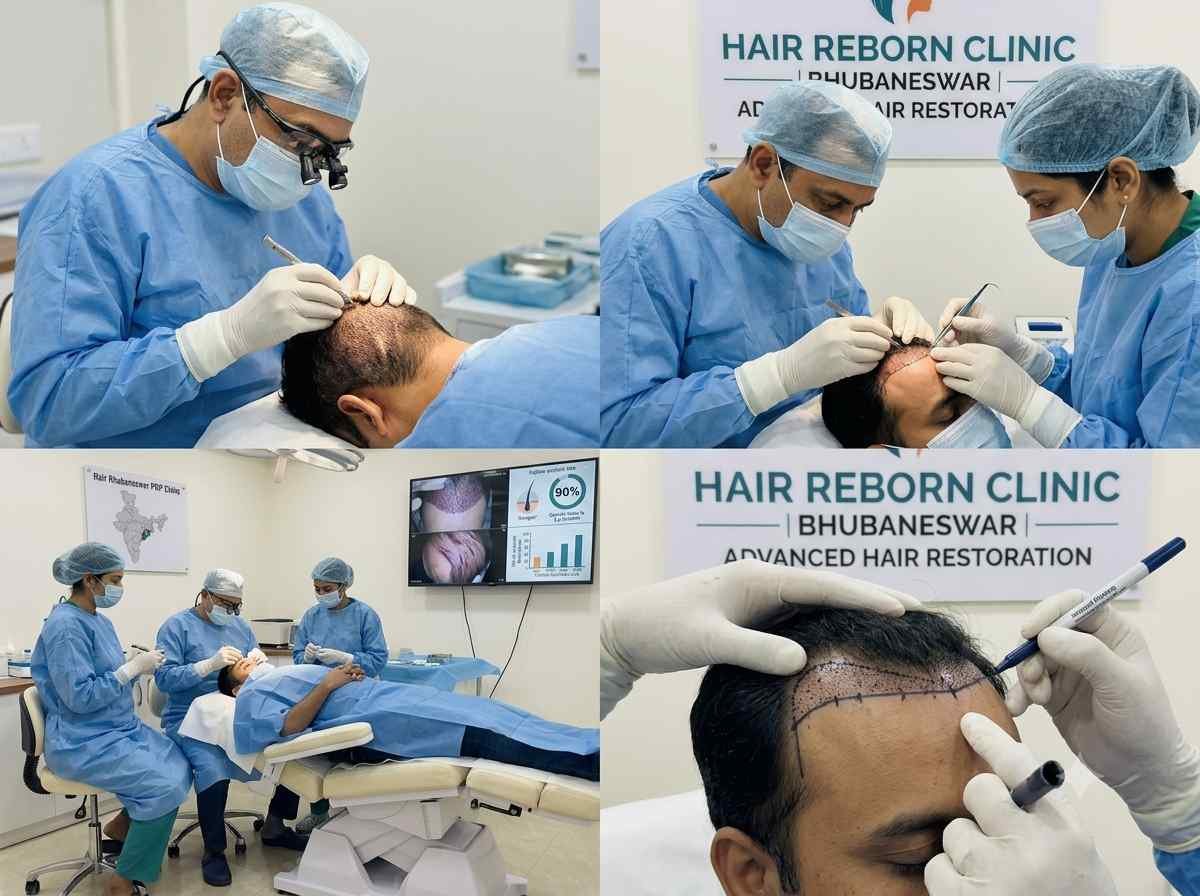
This guide compares PRP therapy and hair transplant surgery across every important dimension, so you can make an informed decision rather than a hopeful one.
How PRP Therapy Works
PRP therapy is a non-surgical treatment that uses your own blood to stimulate hair growth. A small amount of blood is drawn, processed in a centrifuge to separate the platelet-rich plasma, and then injected into the scalp at areas of thinning hair.
The theory behind PRP is that the concentrated growth factors in platelets can rejuvenate weakened hair follicles, extend the growth phase of the hair cycle, and increase the thickness and density of existing hair. PRP does not create new hair follicles. It works by strengthening and revitalizing follicles that are still alive but underperforming.
A typical PRP treatment plan involves three to four sessions spaced four to six weeks apart, followed by maintenance sessions every three to six months. Each session takes about 30 to 60 minutes, with minimal downtime. Most patients can return to normal activities the same day.
How Hair Transplant Surgery Works
A hair transplant is a surgical procedure that moves hair follicles from a donor area, typically the back and sides of the head where hair is genetically resistant to thinning, to areas where hair has been lost or is thinning severely.
The two main techniques are FUE (Follicular Unit Extraction) and FUT (Follicular Unit Transplantation). In both methods, the transplanted follicles are permanent. Once they take root in their new location, they continue to grow for life, just as they would have in the donor area.
A hair transplant is a one-time procedure for most patients, though some may choose a second session for additional density. The surgery itself takes four to eight hours, and the full result is visible after 10 to 12 months.
PRP vs Hair Transplant: A Detailed Comparison
| Factor | PRP Therapy | Hair Transplant |
|---|---|---|
| Type of Treatment | Non-surgical, injection-based | Surgical procedure |
| How It Works | Strengthens existing follicles | Moves follicles from donor to recipient area |
| Best For | Early to moderate thinning | Moderate to advanced hair loss |
| Creates New Hair | No (improves existing hair) | Yes (permanent new hair growth) |
| Sessions Needed | 3-4 initial + maintenance every 3-6 months | Usually 1 session (sometimes 2) |
| Cost | Rs 4,000 - 10,000 per session | Rs 30,000 - 1,20,000 total |
| Recovery Time | None to minimal | 7 - 14 days |
| Results Timeline | 3 - 6 months | 10 - 12 months |
| Permanence | Temporary (requires maintenance) | Permanent |
When PRP Is the Better Choice
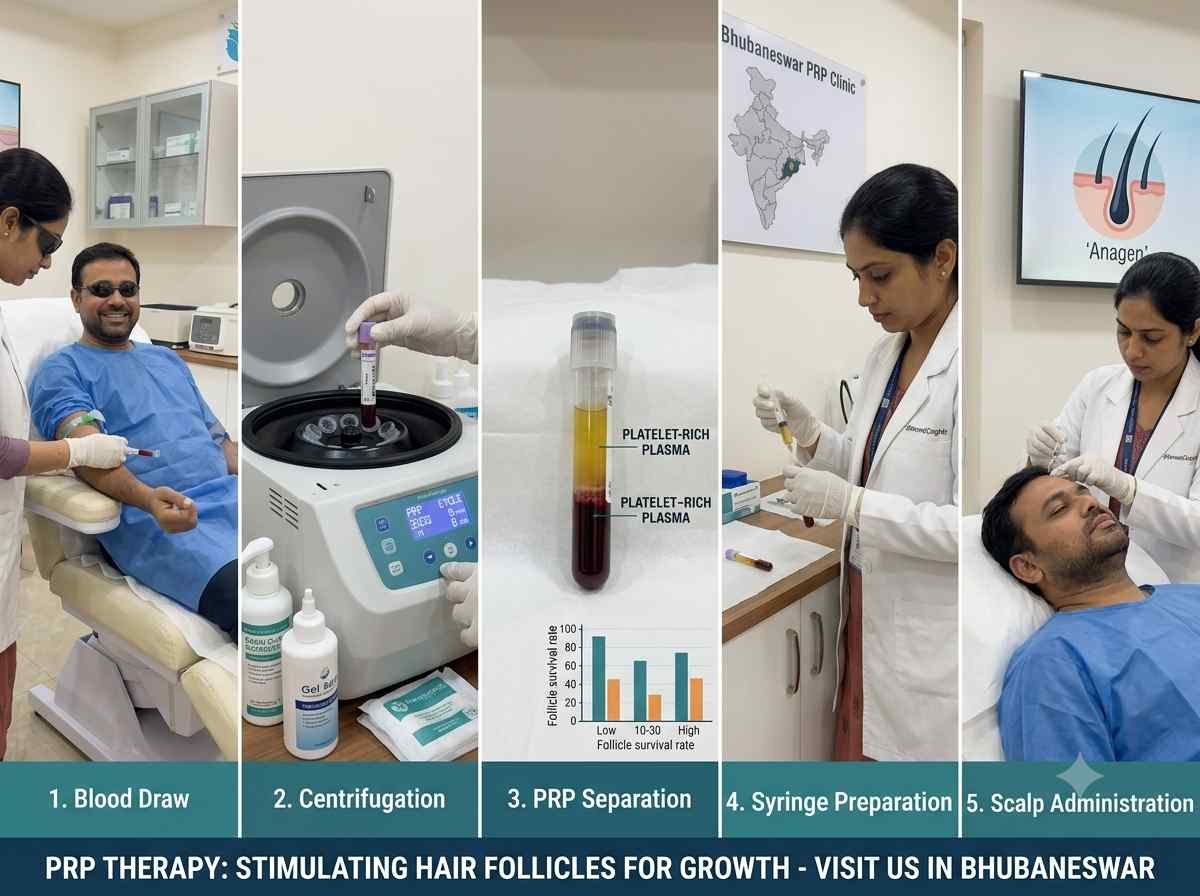
PRP therapy is most effective for people in the early to moderate stages of hair thinning. If your hair is noticeably thinner but you have not developed bald patches, PRP can help slow the progression and improve the quality of your existing hair.
PRP is also a good option for patients who are not ready for surgery, either due to age, preference, or because their hair loss is not severe enough to warrant a transplant. Younger patients in their 20s who are just starting to notice thinning often benefit significantly from PRP because their follicles are still viable and responsive to stimulation.
Additionally, PRP is commonly used as a complementary treatment after a hair transplant. When combined with transplant surgery, PRP can improve graft survival, accelerate healing, and enhance overall hair density. Many surgeons recommend PRP sessions in the months following a transplant to support the best possible outcome.
When a Hair Transplant Is the Better Choice
A hair transplant is the right option when hair loss has progressed beyond what PRP can address. If you have visible bald patches, a significantly receded hairline, or thinning so severe that PRP alone will not restore meaningful coverage, a transplant is the more effective solution.
Unlike PRP, a transplant physically relocates follicles to areas where hair no longer grows. This means it can restore a hairline, fill in a bald crown, or add density to areas where the follicles are no longer active. The result is permanent because the transplanted follicles retain their genetic resistance to thinning.
A transplant is also a better long-term investment for patients with stable hair loss patterns. If your hair loss has plateaued and your donor area is strong, a transplant can provide a permanent, one-time fix that does not require ongoing maintenance sessions.
Can You Use Both Together?
Yes, and many doctors recommend this combined approach. PRP and hair transplant are not competing treatments. They address different aspects of hair loss and complement each other well.
A common treatment plan involves starting PRP therapy early in the hair loss process to slow thinning and preserve existing hair. If hair loss progresses to a point where PRP alone is not sufficient, a transplant is performed to restore coverage in the most affected areas. Post-transplant, PRP sessions are used to support graft survival and enhance the overall result.
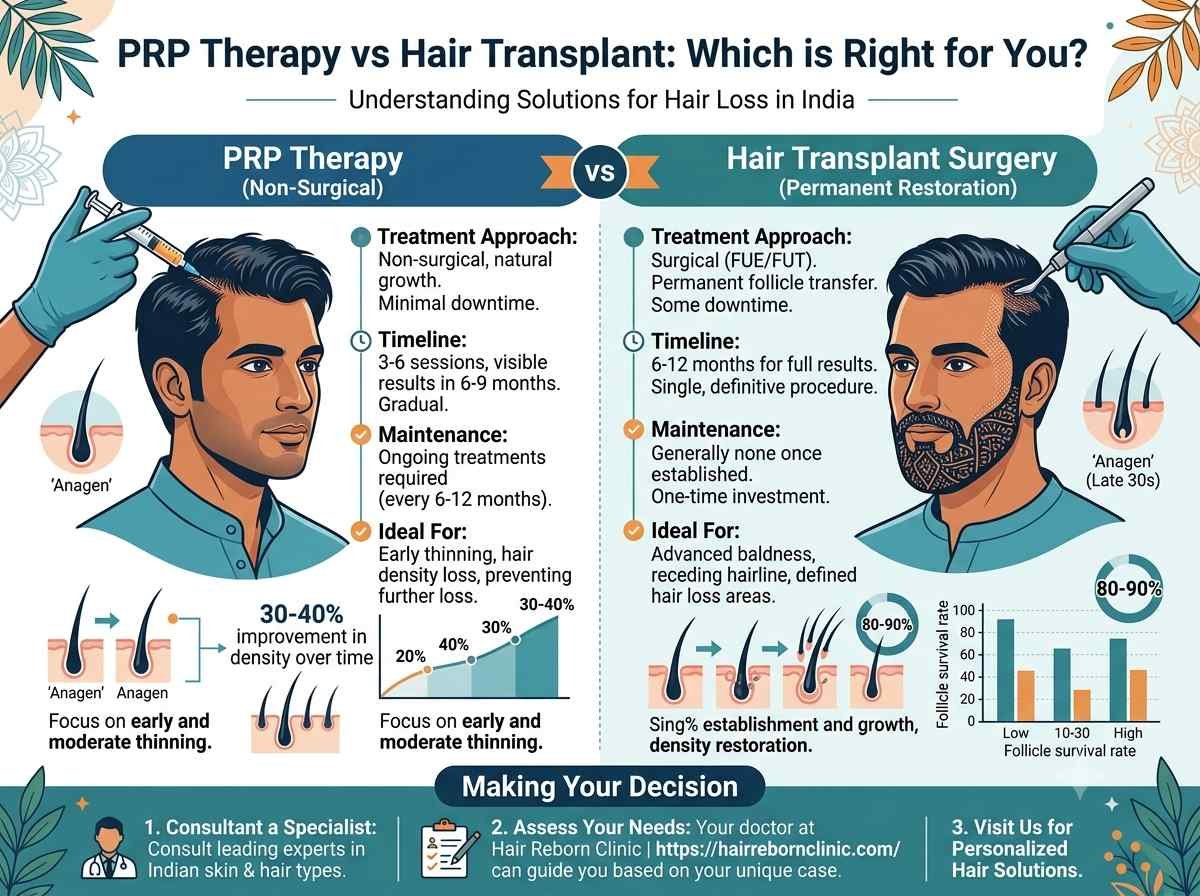
This combined approach gives patients the best of both worlds: preservation of existing hair through PRP and restoration of lost hair through transplant.
Ready to Take the Next Step?
Book a consultation with our hair restoration specialists. Bring your questions, and we will walk you through the options that suit your hair loss.
Schedule Your ConsultationReach us at +91 97771 75524
Cost Comparison Over Time
PRP therapy has a lower upfront cost per session, typically between Rs 4,000 and Rs 10,000. However, because it requires ongoing maintenance sessions every three to six months, the cumulative cost over several years can add up. Over five years, a patient might spend Rs 60,000 to Rs 1,50,000 or more on PRP alone.
A hair transplant has a higher one-time cost, ranging from Rs 30,000 to Rs 1,20,000 depending on the technique and graft count. But because it is a permanent solution, there are no recurring costs beyond a possible touch-up session. In terms of long-term value, a transplant often works out to be more cost-effective for patients with moderate to advanced hair loss.
Key Factors to Help You Decide
Frequently Asked Questions
Can PRP regrow hair on a completely bald scalp?
No. PRP works by stimulating existing hair follicles. If the follicles are completely dead or absent, PRP will not produce new growth. A hair transplant is the appropriate treatment for bald areas.
Is PRP painful?
PRP involves a series of small injections into the scalp. Most patients describe it as mildly uncomfortable rather than painful. A topical numbing cream is applied before the injections to reduce discomfort.
How soon after PRP can I get a hair transplant?
There is no strict waiting period. In fact, some surgeons recommend PRP sessions before a transplant to prepare the scalp. Your surgeon will advise on the optimal timing based on your specific case.
Which treatment has faster results?
PRP typically shows initial improvement within three to four months. A hair transplant takes longer, with final results visible around 10 to 12 months. However, the transplant result is permanent, while PRP requires maintenance.