
Is Hair Transplant Permanent? How Long Results Last and Success Rate
A hair transplant is a big decision, and most people want to know one thing before anything else: will the hair stay? Nobody wants to go through surgery, wait a year for results and then watch the new hair fall out a few years later.
Book Free Consultation
The short answer is that transplanted hair is usually permanent. The longer answer is more useful, because it explains why the hair lasts, what can still change over time and how to keep your result looking good for decades. This guide covers all three, along with what success rate you can realistically expect. For how the procedure itself works, see our guide to hair transplant in Bhubaneswar.
Why Transplanted Hair Is Usually Permanent
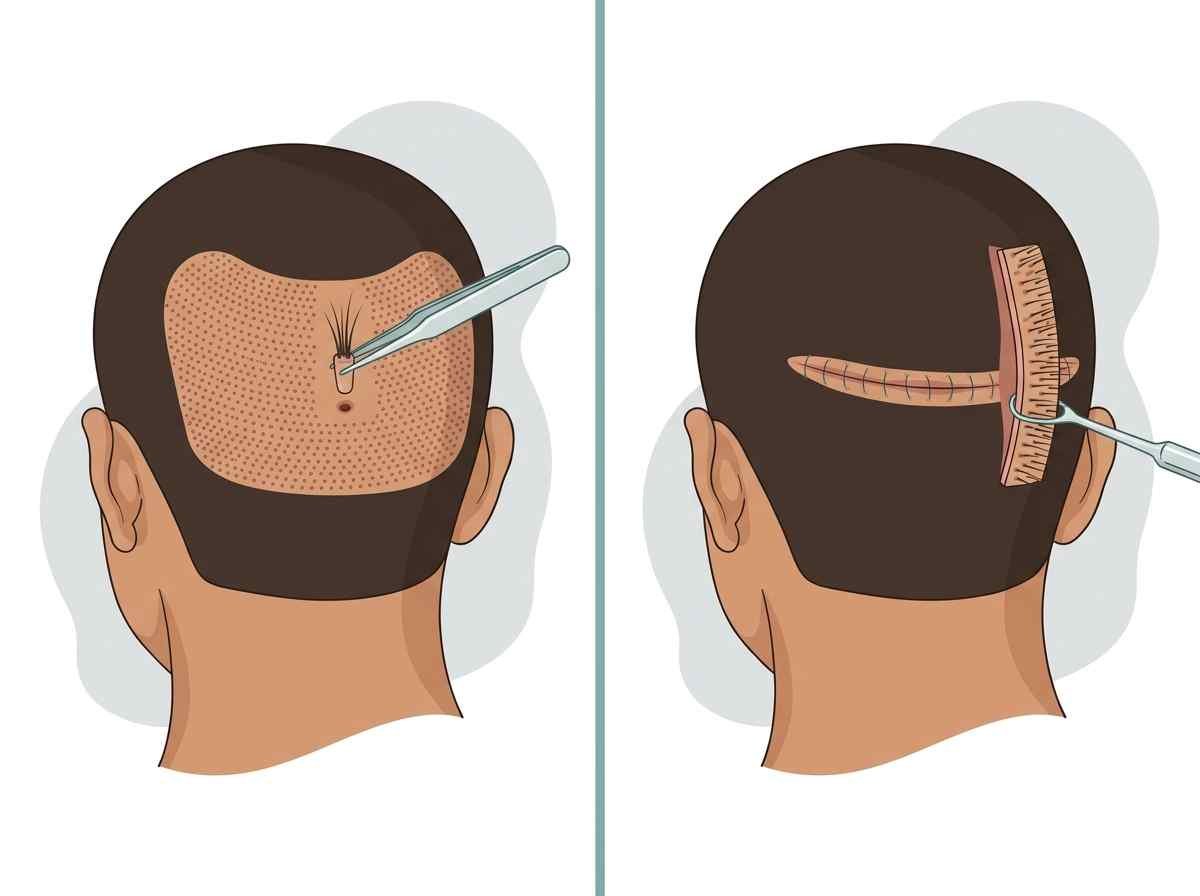
Most hair loss in men, and much of it in women, is caused by sensitivity to a hormone called DHT. Over time, DHT shrinks follicles on the top and front of the scalp until they stop producing visible hair.
The hair at the back and sides of the head behaves differently. These follicles are genetically resistant to DHT, which is why even men with advanced baldness usually keep a horseshoe of hair around the back.
The Principle of Donor Dominance
When these resistant follicles are moved to the front or crown, they keep their original behaviour. Doctors call this donor dominance. The follicle does not take on the character of its new location, so it continues to grow hair for as long as it would have done at the back of your head. For most people, that means for life.
What Can Still Change Over Time
Permanent does not mean that nothing changes. It is important to understand the difference between the transplanted hair and the rest of your hair.
Your Native Hair May Keep Thinning
The transplant protects only the follicles that were moved. Your existing hair on the top of the scalp is still sensitive to DHT, and it may continue to thin with age. If this happens, the transplanted area can stay full while the hair around it becomes thinner, creating an uneven look.
This is why planning matters, especially for younger patients. A good doctor will design a hairline that still looks right at 45 or 55, not only at 28.
Natural Ageing
Like all hair, transplanted hair can grey and become slightly finer with age. Some follicles may also be affected by general ageing, illness or certain medications. These changes are gradual and usually affect the transplanted hair in the same way they affect the hair at the back of your head.
What Success Rate Should You Expect?
When people ask about hair transplant success rate, they usually mean one of two things: how many grafts survive, and whether the patient is happy with the result. Both matter.
Graft Survival
In skilled hands, graft survival rates of 80 to 95 percent are common. That means if 2,000 grafts are placed, between 1,600 and 1,900 can be expected to grow healthy hair. Survival depends heavily on how gently grafts are handled, how long they stay outside the body and how carefully they are placed.
Patient Satisfaction
A high graft survival rate does not automatically mean a good result. The hairline design, the direction of the hair and how the density is spread all affect how natural the outcome looks. A technically successful transplant can still disappoint if the hairline is too low or the density is uneven.
The table below shows what typically drives success, and what can lower it.
| Factor | Helps Long-Term Success | Can Reduce Success |
|---|---|---|
| Donor hair quality | Thick, dense donor area | Thin or miniaturised donor hair |
| Surgeon's experience | Doctor plans hairline and supervises extraction | Work fully delegated to untrained staff |
| Graft handling | Grafts kept moist and placed quickly | Grafts left out too long or handled roughly |
| Hairline design | Age-appropriate, natural irregular edge | Too low, too straight or too dense |
| Patient health | Non-smoker, stable health | Smoking, uncontrolled diabetes |
| Aftercare | Instructions followed closely | Scratching, sun exposure, early workouts |
| Ongoing care | Native hair supported with treatment | Untreated progressive hair loss |
Factors That Affect Long-Term Success
Beyond the surgery itself, a few factors shape how your result holds up over the years.
Your age at the time of surgery is one of the most important. Hair loss in your early twenties often has a long way to go, so transplanting aggressively at that stage can leave you short of donor hair later. Your pattern of hair loss also matters. Men who are heading towards an advanced stage need a plan that accounts for future loss, not just current gaps. If you are not sure where you sit today, our guide to the Norwood scale explains each stage.
Lifestyle plays a part too. Smoking reduces blood flow to the scalp, which can affect graft survival in the first few weeks. Poor diet, stress and certain health conditions can also influence how well your native hair holds up over time.
How to Protect Your Result

Most patients do not need to do anything special to keep the transplanted hair. The focus is on supporting the hair around it.
Treatments such as minoxidil or prescription medicines may be recommended by your doctor to slow further loss of native hair. Many patients also choose PRP therapy sessions to improve the strength of existing hair. Our article on PRP therapy vs hair transplant explains how the two work together rather than against each other.
Regular check-ups, ideally once a year, help your doctor spot changes early. If thinning appears behind the transplanted area, it can often be managed with treatment or, if needed, a smaller second session.
At Hair Reborn, each hair transplant plan includes a long-term view of your hair, not just the area being treated on the day.
Inquire About This Service
Ready to Take the Next Step?
Book a consultation with our hair restoration specialists. We will check your donor hair, discuss your likely pattern of future hair loss and build a plan designed to look natural for years. Reach us at +91 97772 14816.
Book Free ConsultationFrequently Asked Questions
Is a hair transplant permanent?
Yes, for most people the transplanted hair is permanent. It comes from the back of the scalp, which is naturally resistant to the hormone that causes pattern hair loss. Once the grafts grow, they usually keep producing hair for life.
Can transplanted hair fall out years later?
The transplanted follicles rarely fall out for good. Temporary shedding happens in the first few weeks after surgery, which is normal. Years later, the main change people notice is thinning of their native hair around the transplant, not loss of the transplanted hair.
What is the success rate of a hair transplant?
Graft survival of 80 to 95 percent is common when the procedure is done by an experienced team. Overall success also depends on hairline design, density planning and aftercare, which together decide how natural the result looks.
Will I need another hair transplant in the future?
Some patients do, especially if they were young at the time of the first surgery or their hair loss continues. Many others never need a second session, particularly if they use treatments that protect their native hair.
Does a hair transplant work for everyone?
Not everyone is a good candidate. You need a healthy donor area and a type of hair loss that is suited to transplantation. A consultation helps confirm whether a transplant, a non-surgical option or a combination will work best for you.