
Hair Patch vs Hair Transplant: Cost, Upkeep and Long-Term Results
When hair loss starts to bother you, two options often come up first: a hair patch, which gives you a full head of hair the same day, and a hair transplant, which grows your own hair back over a year. One is quick and reversible. The other takes patience but lasts.
Book Free Consultation
Both can look good, and both have real limitations. This guide compares a hair patch and a hair transplant on what matters most in daily life: cost over time, upkeep, comfort, how natural each looks and what happens years down the line. The aim is to help you choose based on your situation, not on advertising. If a permanent fix is what you want, here is how we approach hair transplant in Bhubaneswar.
What Is a Hair Patch?
A hair patch, also called a hair system, hair unit or non-surgical hair replacement, is a thin base made of mesh, lace or polymer with hair attached to it. The base is fixed over the thinning area using tape, glue or clips, and then cut and styled to blend with your own hair.
The result is immediate. You can walk in with visible thinning and walk out with full coverage the same day. There is no surgery, no anaesthesia and no recovery period. The hair on the patch, however, is not alive. It does not grow, and the unit wears out with time and needs replacing.
What Is a Hair Transplant?
A hair transplant moves healthy follicles from the back and sides of your own scalp to the thinning area. Once they settle, they grow real hair that you can cut, wash and style like the rest of your hair. Because these follicles are resistant to the hormone behind pattern baldness, the result is usually permanent.
The trade-off is time. The transplanted hair sheds in the first few weeks and regrows gradually, with results close to final at around 12 months. You can learn more about how the procedure works on our hair transplant page.
Hair Patch vs Hair Transplant: Side by Side
The table below compares the two options on the points most people ask about.
| Factor | Hair Patch | Hair Transplant |
|---|---|---|
| Type | Non-surgical, external hairpiece | Minor surgery using your own hair |
| Time to see results | Same day | 6 to 12 months for full growth |
| Upfront cost | Lower | Higher |
| Ongoing cost | Regular servicing and replacement units | Little or none after recovery |
| Upkeep | Re-fixing every few weeks | Normal hair care |
| Density | Any density you choose | Limited by your donor hair |
| Feel and comfort | Can feel warm or itchy in hot weather | Your own hair, no difference in feel |
| Activities | Care needed with swimming, gym and sleep | No restrictions once healed |
| Longevity | Unit lasts a few months to a year | Usually permanent |
Cost Over Five Years
At first glance, a hair patch looks much cheaper. A good-quality unit in India often costs somewhere between Rs 10,000 and Rs 35,000, compared with a typical hair transplant range of Rs 30,000 to Rs 1,20,000 or more.
The picture changes when you look further ahead. A patch usually needs to be removed, cleaned and re-fixed every three to four weeks, and each service visit adds a small fee. Most units also need replacing every 6 to 12 months as the base and hair wear down. Over five years, the combined cost of servicing, adhesives and several replacement units can match or exceed the one-time cost of a hair transplant.
A hair transplant is mostly a one-time expense. Some patients choose supportive treatments afterwards, such as PRP therapy, to protect their native hair, but there are no units to replace. For a detailed look at transplant pricing, read our hair transplant cost breakdown.
Daily Life and Upkeep
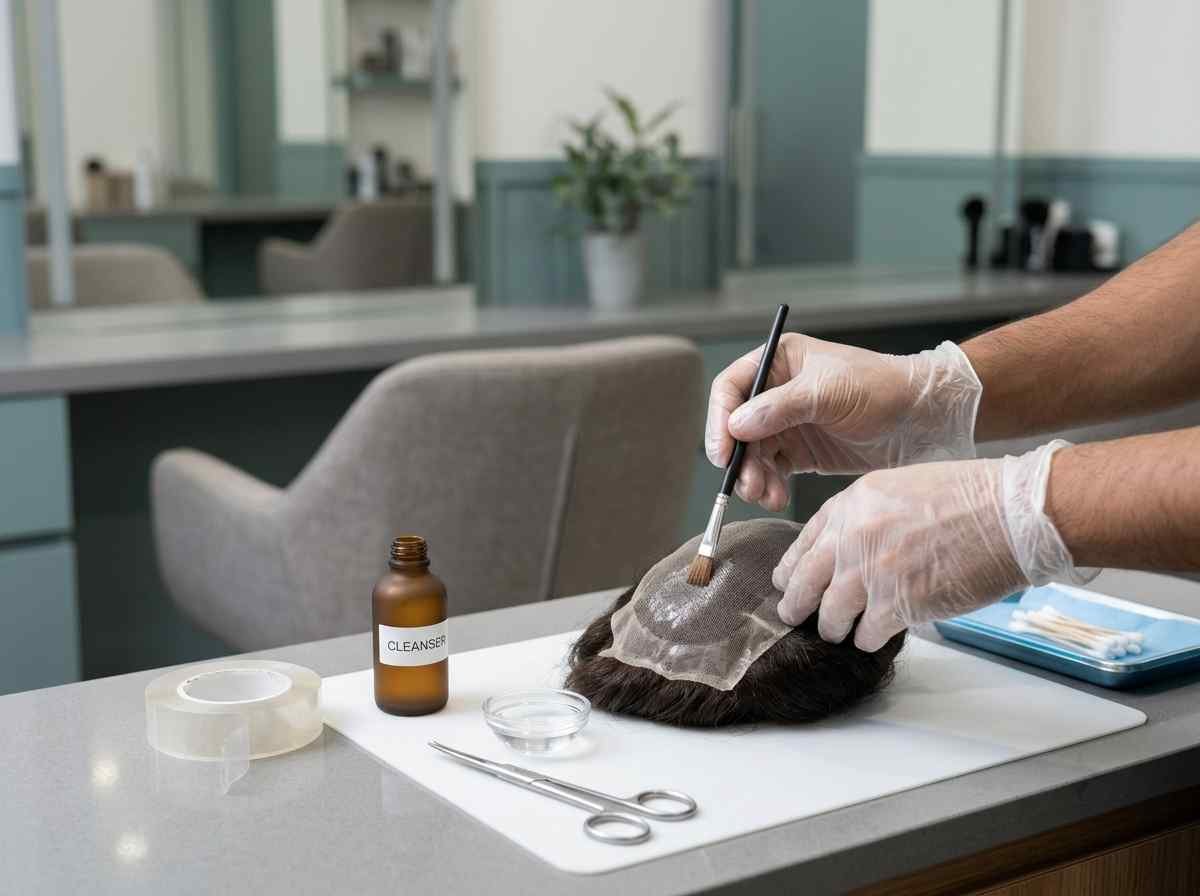
Cost is only part of the decision. How each option fits into your everyday routine matters just as much.
Living with a Hair Patch
A well-fitted patch can look very natural, but it asks for care. Sweat and oil build up under the base, which can loosen the bond and irritate the skin, especially in the hot, humid weather common in Odisha and coastal Andhra Pradesh. Many wearers are careful during workouts, swimming or windy days, and some worry about the patch being noticed up close. Repeated use of tape or glue can also cause skin redness, and clips can put strain on the hair underneath over time.
Living with a Hair Transplant
Once a hair transplant has healed, there is nothing extra to manage. You can swim, sweat, sleep and get a haircut without thinking about it. The main commitment is the waiting period in the first year, along with careful aftercare in the first two weeks. Our hair transplant recovery timeline explains what that looks like.
When Each Option Makes Sense
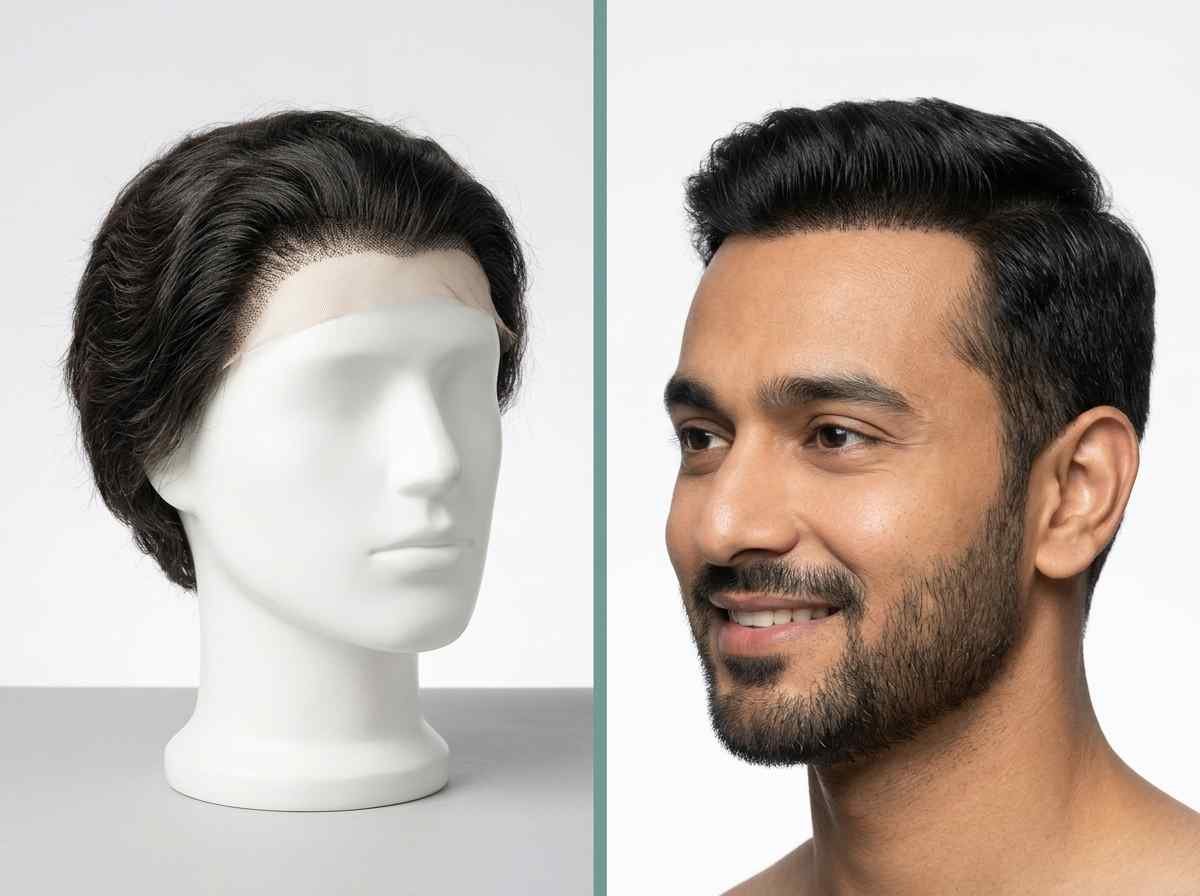
Neither option is right for everyone. The choice depends on your hair loss, your donor area and your priorities.
A Hair Patch May Suit You If
You need full coverage quickly, perhaps before a wedding or a major event. Your hair loss is very advanced and your donor area cannot supply enough grafts. You do not want any form of surgery, or you want a reversible solution while you decide on a long-term plan.
A Hair Transplant May Suit You If
You want a permanent result using your own growing hair. You have a healthy donor area and hair loss at a stage that can be covered well. You would rather invest once than pay for ongoing servicing, and you are comfortable waiting several months to see the full result. Our page on hair loss solutions covers other options that can work alongside either choice.
Inquire About This Service
Ready to Take the Next Step?
Book a consultation with our hair restoration specialists. We will examine your scalp and donor area, explain whether a hair transplant is a good fit for you and talk through every option honestly. Reach us at +91 97772 14816.
Book Free ConsultationFrequently Asked Questions
Which is better, a hair patch or a hair transplant?
It depends on your goals. A hair patch gives instant coverage without surgery but needs regular upkeep and replacement. A hair transplant takes months to grow but gives a permanent result using your own hair. For people with a good donor area, a transplant is usually the better long-term choice.
Is a hair patch cheaper than a hair transplant?
Upfront, yes. Over several years, the cost of servicing visits, adhesives and replacement units often adds up to as much as, or more than, a one-time hair transplant.
Can I switch from a hair patch to a hair transplant?
Yes. Many people wear a patch while they plan a transplant. If you have worn a patch with glue or clips for a long time, your doctor will check the scalp and existing hair carefully before surgery.
Does a hair patch damage your natural hair?
It can over time. Clips may put tension on the hair underneath, and repeated use of adhesive can irritate the scalp. Good fitting, regular cleaning and breaks from wear can reduce these effects.
Can I swim or go to the gym with a hair transplant?
Yes, once you have healed. Most people return to the gym after a few weeks and swimming after about a month, depending on their doctor's advice. After that, there are no restrictions.