Best Hair Transplant in Bhubaneswar: Procedure, Cost, Benefits & Complete Guide
Hair loss affects millions of people today, often impacting confidence as much as appearance. A hair transplant offers a modern, long-lasting solution by transferring healthy hair follicles to areas of thinning or baldness. If you're searching for the best hair transplant in Bhubaneswar, this guide walks you through the procedure, techniques, benefits, cost and recovery process to help you make an informed decision.
Book Free Consultation
Hair loss is one of the most common concerns affecting both men and women today. Factors like genetics, hormonal changes, stress, lifestyle habits, nutritional deficiencies and ageing can gradually lead to hair thinning, receding hairlines and bald patches.
For many people, hair loss is not only a physical concern but also affects confidence and self-image. While temporary solutions like oils, supplements and cosmetic products may provide limited support, advanced hair loss solutions offer more effective and long-lasting results.
A hair transplant is a modern surgical procedure designed to restore natural hair growth by transferring healthy hair follicles from one area of the scalp to another. With advancements in technology, modern hair transplant procedures provide natural-looking results with improved precision and minimal discomfort.
If you are searching for the best hair transplant in Bhubaneswar, understanding the procedure, techniques, benefits, cost and recovery process can help you make the right decision. Hair Reborn Clinic provides advanced hair restoration solutions with personalized treatment planning based on individual hair loss patterns, scalp condition and aesthetic goals.
What Is Hair Transplant Treatment?
Hair transplant is a surgical hair restoration procedure that involves transferring healthy hair follicles from a donor area, usually the back or sides of the scalp, to areas affected by hair thinning or baldness.
The transplanted follicles continue to grow naturally because they are resistant to the factors responsible for hair loss. This makes hair transplant one of the most effective solutions for individuals experiencing permanent hair loss. Unlike temporary treatments that require continuous maintenance, hair transplant focuses on restoring natural hair growth using your own hair follicles.
A successful hair transplant depends on several factors, including:
| Factor | Importance |
|---|---|
| Donor Hair Quality | Healthy follicles support better results |
| Hair Loss Pattern | Helps design the right treatment approach |
| Surgical Technique | Determines precision and natural appearance |
| Doctor Expertise | Plays an important role in overall outcome |
Why Is Hair Transplant Becoming Popular in Bhubaneswar?
The demand for hair restoration treatments has increased significantly as people are becoming more aware of advanced solutions for hair loss. Many individuals experience hair thinning at an early age due to stress, changing lifestyles and genetic factors. Instead of depending on temporary methods, people are now looking for treatments that provide natural and long-term improvement.
The availability of advanced clinics has also made procedures more accessible for people searching for the best hair transplant in Bhubaneswar. Modern hair transplant techniques focus not only on restoring hair but also on creating a natural hairline that matches the individual's facial appearance.
A properly planned procedure considers factors such as:
This personalized approach helps achieve more natural-looking results.
Different Types of Hair Transplant Procedures
Modern hair restoration includes different techniques depending on the patient's hair condition and requirements.
| Hair Transplant Technique | Description |
|---|---|
| FUE Hair Transplant | Individual follicular units are extracted and implanted |
| FUT Hair Transplant | A strip of donor scalp is used for follicle extraction |
| DHI Hair Transplant | Uses specialized implantation methods for precision |
FUE Hair Transplant: A Popular Modern Technique
What Is FUE Hair Transplant?
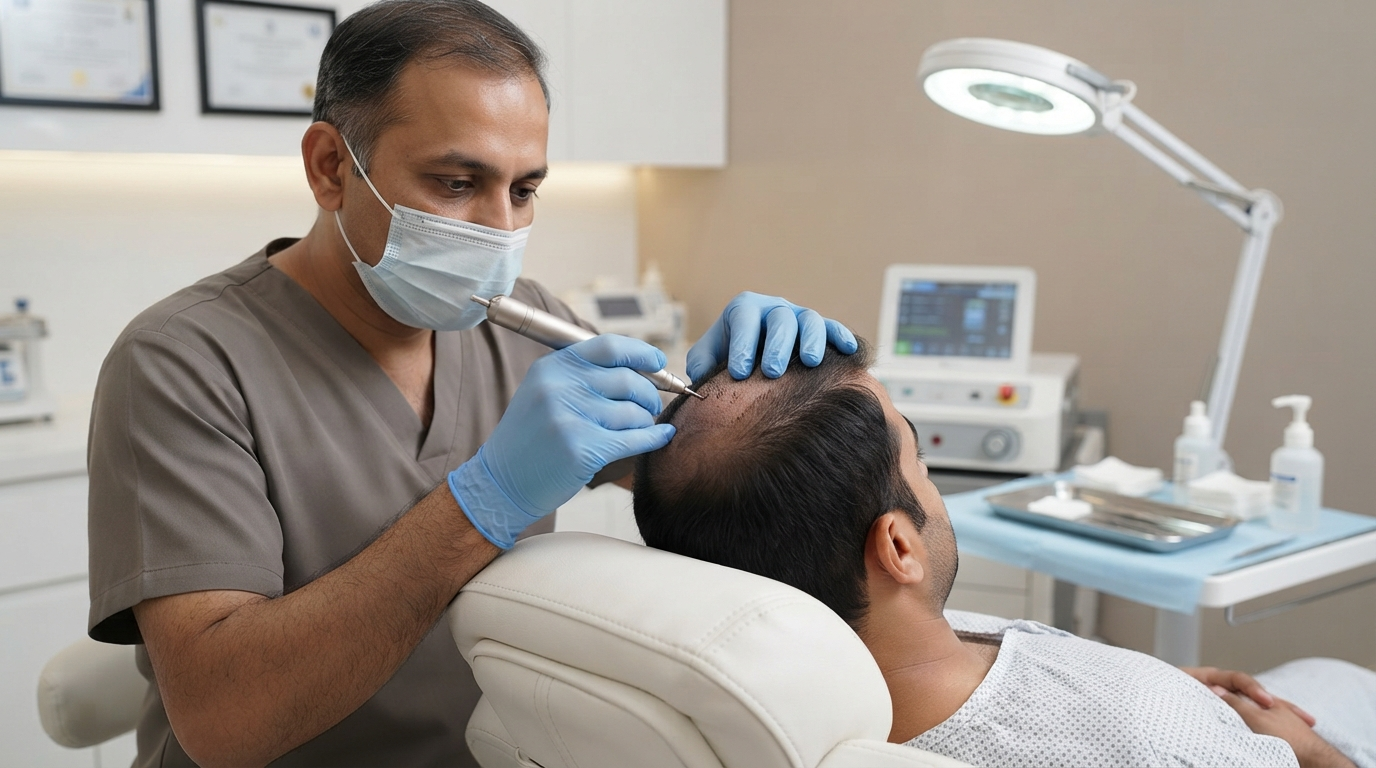
Follicular Unit Extraction (FUE) is one of the most commonly used hair transplant techniques. In this procedure, individual hair follicles are extracted from the donor area and carefully implanted into areas experiencing hair loss. Because follicles are extracted individually, FUE does not require a large surgical incision and generally leaves minimal visible scarring.
Benefits of FUE Hair Transplant
FUE technique is preferred by many patients because it offers:
The suitability of FUE depends on factors such as donor hair availability and the extent of hair loss.
How Does Hair Transplant Procedure Work?
A hair transplant follows a detailed process to ensure safe and effective results.
Hair and Scalp Consultation
The first step involves a detailed evaluation of your hair loss condition. During consultation, specialists analyze the pattern of hair loss, scalp condition, donor area quality and expected results. This assessment helps create a personalized treatment plan.
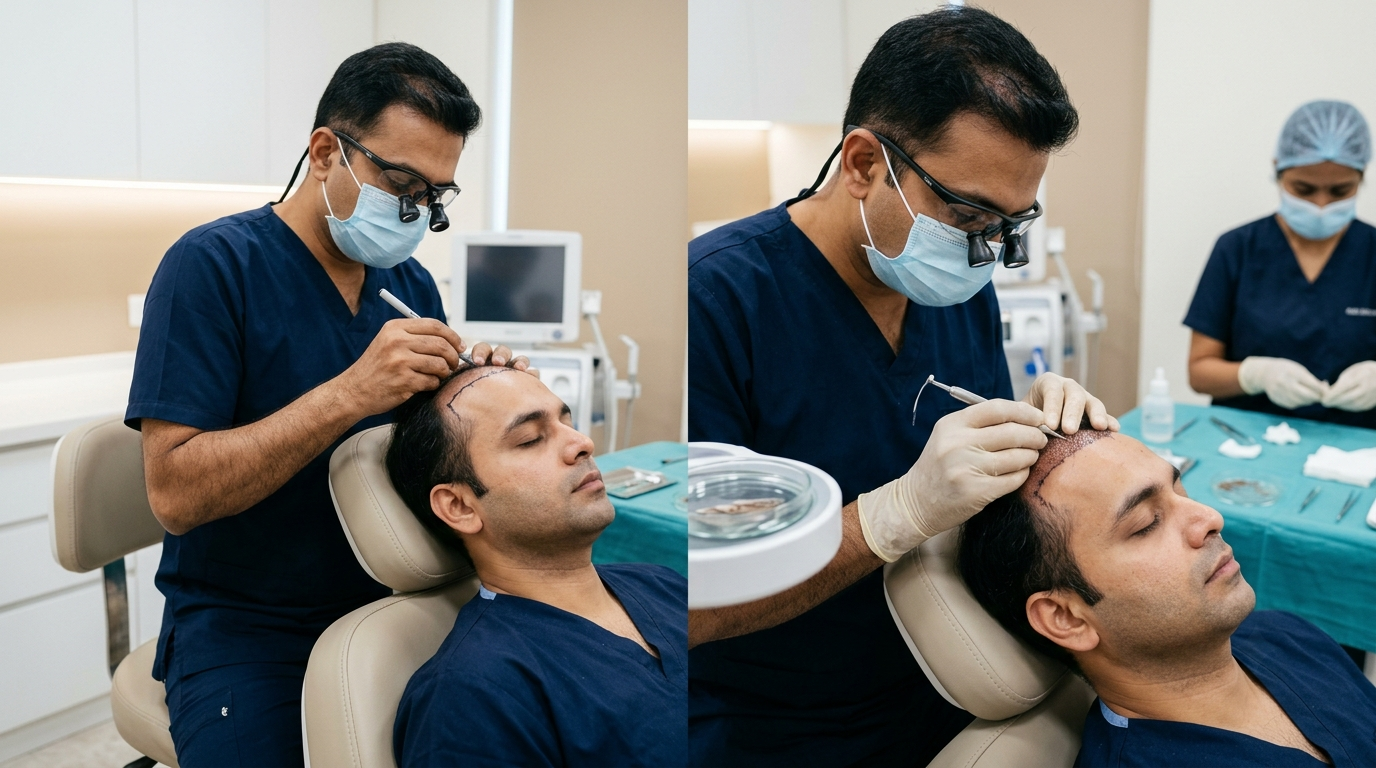
Designing the Hairline
Creating a natural-looking hairline is one of the most important parts of a hair transplant. The hairline design considers your facial features, age and natural hair pattern to achieve balanced results.
Extraction of Hair Follicles
Healthy follicles are carefully extracted from the donor area using suitable techniques. The extracted follicles are prepared for implantation while maintaining their quality.
Implantation of Hair Follicles
The extracted follicles are implanted into the recipient area according to the planned hair design. Proper placement helps achieve natural direction, density and appearance.
Recovery and Hair Growth
After transplantation, the scalp requires proper care during the recovery period. New hair growth develops gradually as transplanted follicles start producing new hair.
Benefits of Hair Transplant Treatment
Natural-Looking Hair Growth
One of the biggest advantages of hair transplant is that it uses your own hair follicles. When performed properly, transplanted hair grows naturally and blends with existing hair.
Long-Term Hair Restoration Solution
Unlike temporary hair products, hair transplant provides a long-lasting approach for individuals dealing with permanent hair loss. The transplanted follicles continue to grow naturally after successful implantation.
Improves Confidence and Appearance
Hair loss can affect personal confidence and appearance. Restoring lost hair can help individuals feel more comfortable and confident.
Customized Results
Every person has different hair loss patterns and expectations. A professional hair transplant plan is customized according to:
Who Is a Good Candidate for Hair Transplant?
Hair transplant may be suitable for individuals experiencing:
However, not every person is immediately suitable for transplantation. A specialist evaluates factors such as donor hair availability, scalp health and the cause of hair loss before recommending treatment.
For individuals with early-stage hair thinning, non-surgical options like PRP therapy may also be considered depending on the condition.
Hair Transplant Cost in Bhubaneswar
The cost of hair transplant depends on several factors because every patient's requirements are different.
| Cost Factor | Impact |
|---|---|
| Number of Grafts Required | More grafts may increase overall cost |
| Technique Used | Different procedures have different requirements |
| Level of Hair Loss | Advanced hair loss may require more grafts |
| Clinic Expertise | Experience and treatment quality matter |
Instead of choosing a clinic only based on price, patients should consider expertise, technology, safety standards and previous results. A consultation helps determine the estimated number of grafts and overall treatment cost.
Recovery After Hair Transplant
Recovery after hair transplant varies from person to person, but following proper aftercare instructions helps support better healing. During recovery, patients may need to:
Temporary shedding after transplantation can occur as part of the natural hair growth cycle. New hair growth usually develops gradually over the following months.
How To Choose The Best Hair Transplant Clinic in Bhubaneswar?
Choosing the right clinic is one of the most important decisions before undergoing hair transplant.
Experienced Hair Restoration Specialists
Hair transplant requires technical expertise, planning and precision. Experienced professionals understand hair anatomy, follicle placement and natural hairline design. You can learn more about Hair Reborn Clinic's professionals through the experienced team page.
Advanced Technology and Techniques
A reliable clinic should use modern equipment and advanced techniques to provide safe and effective procedures. Technology plays an important role in follicle extraction, handling and implantation.
Natural Result Planning
The goal of a successful hair transplant is not only adding hair but creating a natural appearance. Proper planning ensures that the restored hairline matches the patient's overall facial structure.
Why Choose Hair Reborn Clinic for Hair Transplant in Bhubaneswar?
Hair Reborn Clinic focuses on providing personalized hair restoration treatments designed according to each individual's hair loss condition and expectations. The clinic follows a patient-focused approach where consultation, treatment planning and procedure selection are based on personal requirements.
With advanced techniques, professional guidance and customized solutions, Hair Reborn Clinic helps individuals explore effective options for restoring their natural hair appearance. If you are searching for the best hair transplant in Bhubaneswar, expert consultation can help you understand the right treatment approach for your hair loss condition.
Conclusion
Hair transplant has become one of the most effective solutions for individuals experiencing permanent hair loss. With modern techniques, personalized planning and expert execution, it is possible to achieve natural-looking and long-lasting hair restoration results.
Choosing the right clinic is essential because expertise, technology and treatment planning directly influence the outcome. If you are looking for the best hair transplant in Bhubaneswar, Hair Reborn Clinic provides personalized hair restoration solutions designed according to your specific hair loss concerns.
For expert guidance, you can contact Hair Reborn Clinic and schedule a consultation to understand the most suitable hair restoration option for you.
Inquire About This Service
Ready to Restore Your Confidence with a Natural-Looking Hairline?
Every successful hair transplant starts with an honest consultation. Come in, let our team assess your hair loss pattern and scalp condition, and we'll walk you through a treatment plan built around your goals, no guesswork, no one-size-fits-all package. Visit Hair Reborn Clinic in Bhubaneswar or book your free consultation below to get started.
Book Free ConsultationFrequently Asked Questions About Hair Transplant
What is the best hair transplant technique?
The best technique depends on individual hair loss patterns, donor area condition and treatment goals. FUE is one of the commonly preferred modern techniques.
Is hair transplant permanent?
Hair transplant provides a long-term hair restoration solution because transplanted follicles generally continue to grow naturally.
How much does hair transplant cost in Bhubaneswar?
The cost depends on factors such as graft requirement, technique used, hair loss severity and clinic expertise.
Is hair transplant painful?
The procedure is performed under local anesthesia, which helps minimize discomfort during treatment.
How long does it take to see hair transplant results?
Hair growth after transplantation is gradual. Noticeable improvement generally develops over several months.
Can women undergo hair transplant?
Yes, women experiencing suitable types of hair loss may also be candidates for hair transplant after proper evaluation.