What Causes Skin Pigmentation? Common Causes of Dark Spots Explained
A patch near the cheekbone that wasn't there last year. A shadow above the lip make-up no longer hides. By the time most people start searching for answers, they've already tried a few creams that didn't work — and the real question isn't how to remove it, it's why it's happening in the first place.
Book Free Consultation
That second question matters more than people realise, because pigmentation isn't one condition with one cause. It's a skin response, and the trigger behind it changes what actually works to treat it. Understanding what's driving your specific pigmentation is the first real step toward fixing it, at Hair Reborn Clinic in Bhubaneswar and everywhere else.
What Is Skin Pigmentation, Really?
Pigmentation refers to the colour of your skin, which comes from a pigment called melanin. Skin cells called melanocytes produce melanin, and under normal conditions, they release it evenly, giving skin a consistent tone. Pigmentation problems — dark spots, patches, or an uneven complexion — happen when melanocytes in certain areas start producing melanin unevenly, either too much in one spot or too little in another.
Most of the concerns people bring up in a clinic fall under hyperpigmentation, which simply means excess melanin production in specific areas. It's not an infection, and in most cases, it's not dangerous. But it is stubborn, because melanocytes tend to "remember" triggers and reactivate them long after the original cause has been addressed.
The Real Causes Behind Pigmentation and Dark Spots
There's rarely a single cause. Usually it's one dominant trigger layered on top of a few contributing factors. Here's what actually drives melanocyte activity in most cases seen in clinics across India, including here in Bhubaneswar.
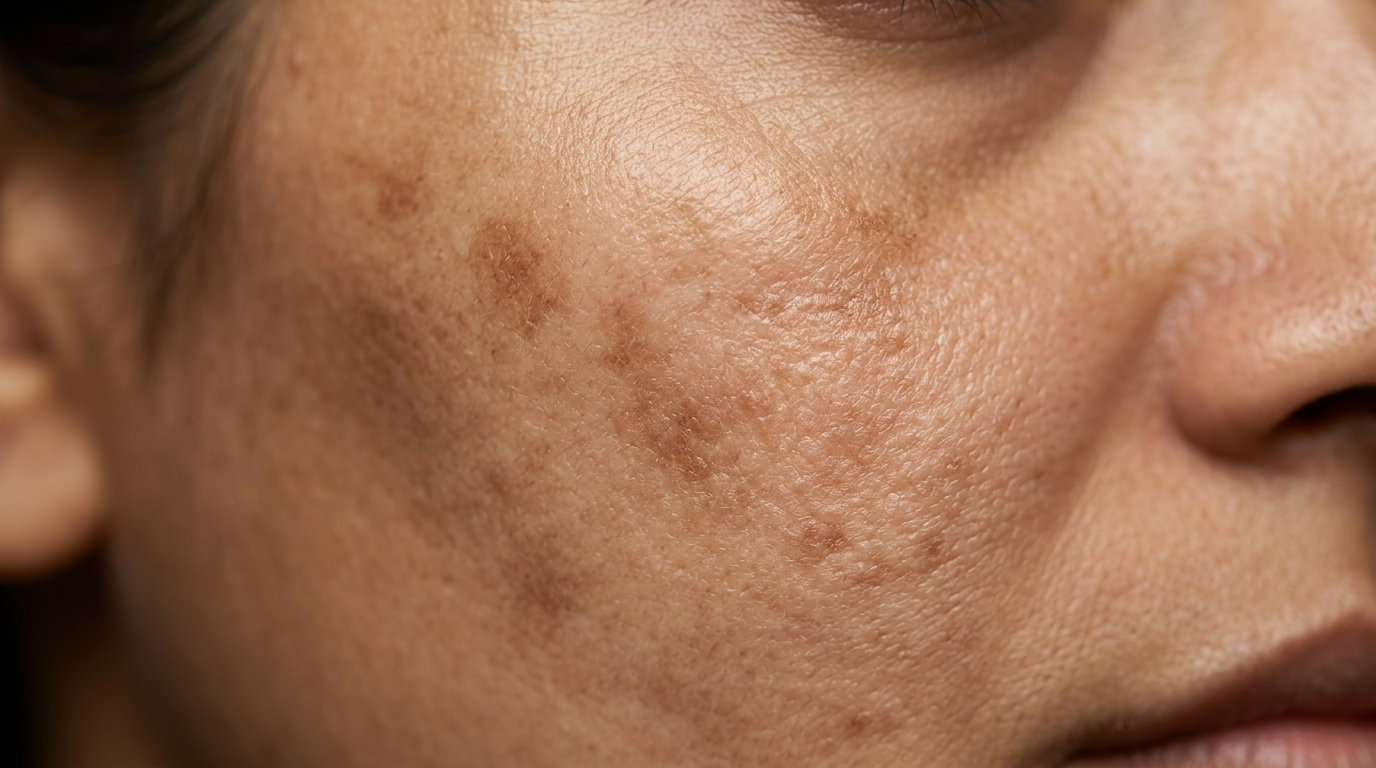
Sun Exposure and UV Damage
This is the single biggest contributor, and it's not close. Ultraviolet rays trigger melanocytes to produce more melanin as a defence mechanism, and this protective response doesn't switch off cleanly once you're back indoors. Odisha's climate makes this worse than it would be in a cooler state — long stretches of intense sun, high humidity, and short winters mean skin here gets far more cumulative UV exposure across a year. Most people underestimate how much of their pigmentation traces back to years of commuting or working near a window without any UV protection.
Hormonal Changes
Pregnancy, birth control pills, thyroid imbalances, and PCOS can all trigger a specific type of pigmentation called melasma, which typically shows up as symmetrical brown-grey patches on the cheeks, forehead, upper lip, or jawline. Hormonal pigmentation is trickier than sun-related pigmentation because it responds to internal fluctuations, not just topical triggers — which is why melasma can suddenly reappear after childbirth or during a hormonal shift, even in someone who's careful about sunscreen.
Post-Inflammatory Hyperpigmentation
Anyone who's dealt with acne knows this one. After a pimple, cut, insect bite, or even an aggressive facial heals, the skin sometimes leaves behind a dark mark where the inflammation was. This is called post-inflammatory hyperpigmentation, or PIH, and it's the body's healing response overproducing melanin at the injury site. It's extremely common in acne-prone skin, and picking or popping breakouts makes it significantly worse.
Genetics and Family History
Some people are simply more prone to pigmentation than others because of how active their melanocytes are by default. If a parent or sibling has struggled with melasma or dark spots, there's a higher chance of developing similar patterns, especially when combined with sun exposure or hormonal shifts. Genetics don't cause pigmentation on their own, but they set the baseline sensitivity.
Aging and Cellular Turnover
As skin ages, cell turnover slows down. Dead skin cells that would normally shed take longer to clear, and pigment gets trapped closer to the surface for longer. This is why age spots — sometimes called liver spots, despite having nothing to do with the liver — become more common after the mid-thirties, particularly on sun-exposed areas like the face, hands, and forearms.
Certain Medications and Reactions
Some medications increase photosensitivity, meaning skin reacts more strongly to sun exposure while the person is on that drug. Certain antibiotics, acne medications, and even some blood pressure drugs fall into this category. This doesn't mean the medication should be stopped without medical advice — it means sun protection becomes non-negotiable while taking them.
Skincare Habits and Products
This is the cause people talk about least, but it shows up in clinics constantly. Harsh scrubs, over-exfoliation, unregulated "fairness creams" with steroid content, and skipping sunscreen because "it's cloudy today" all contribute to pigmentation getting worse instead of better. Steroid-based creams in particular can cause a rebound effect — skin looks better for a few weeks, then pigmentation returns darker than before once the cream is stopped.
Types of Pigmentation You Should Know About
Not all dark spots are the same condition, even though they can look similar to an untrained eye.
Knowing which category a patch of pigmentation falls into matters more than most people assume, because a treatment that works well for sunspots can do very little for melasma, and can occasionally aggravate it if it's not the right approach. Getting the type right before choosing a treatment is often the difference between fading pigmentation and making it worse.
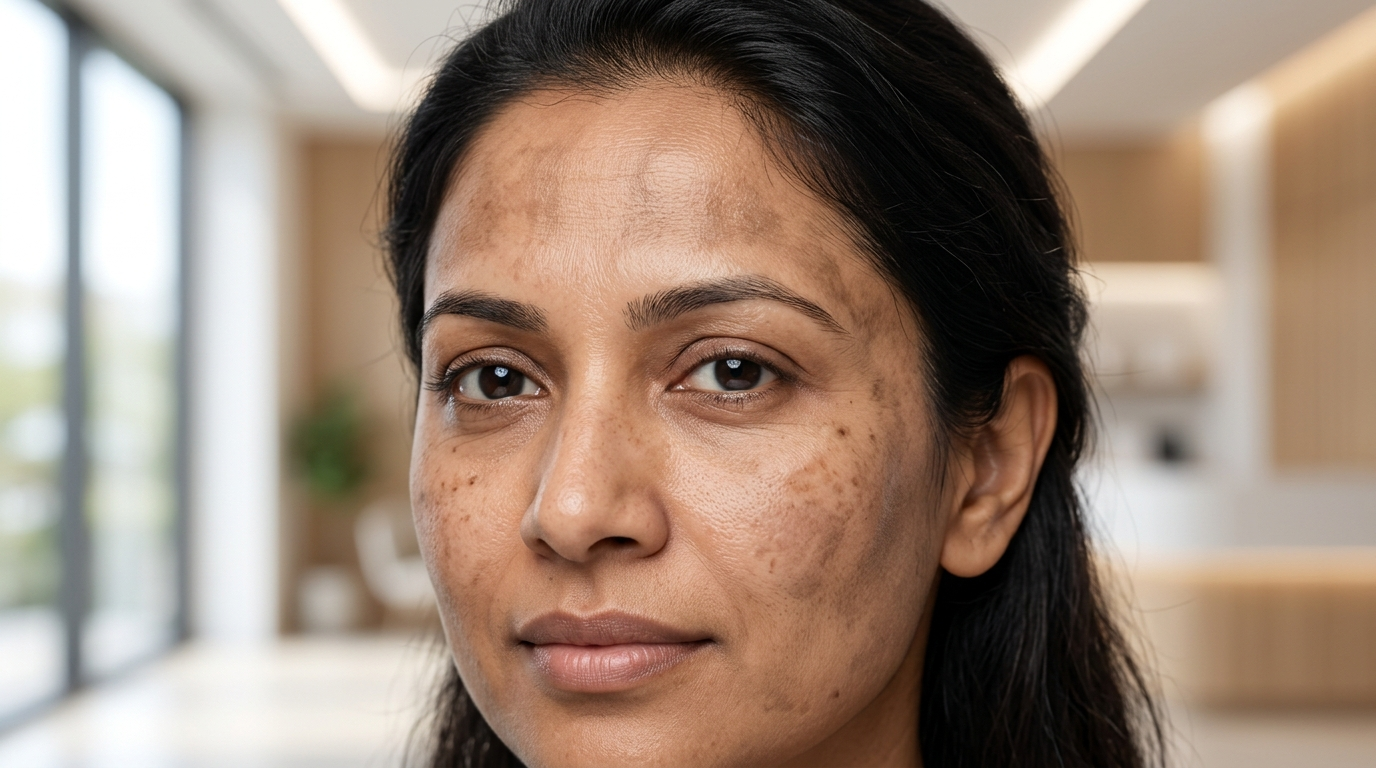
Common Mistakes People Make While Treating Pigmentation
The most frequent mistake is treating every dark spot the same way. Someone with melasma often ends up using an aggressive exfoliating routine meant for sunspots, which irritates the skin and makes hormonal pigmentation worse rather than better.
The second common mistake is inconsistency with sun protection. People apply sunscreen on the days they remember, skip it on cloudy or rainy days, and then wonder why treatment isn't showing results. UV rays penetrate cloud cover more than most people realise, and in a state like Odisha, that inconsistency alone can undo weeks of otherwise good treatment.
The third mistake is chasing fast results. Pigmentation that took years to build up rarely reverses in two weeks, no matter what a product label promises. Rushed treatments — high-strength peels used too frequently, or unregulated creams bought without medical guidance — often trigger PIH themselves, creating a new layer of pigmentation on top of the old one.
Best Practices That Actually Help
Daily, non-negotiable sunscreen use is the foundation everything else builds on — without it, even the best in-clinic treatment will keep getting undone by fresh UV exposure. Beyond that, a consistent, gentle skincare routine matters more than an aggressive one. Ingredients like vitamin C, niacinamide, and retinoids (used correctly and gradually) support melanin regulation over time, but they work slowly and need patience.
Avoiding unregulated skin-lightening creams is equally important. Many contain hydroquinone in unsafe concentrations or hidden steroids, both of which can cause long-term damage, thinning skin, and rebound pigmentation. If a cream promises visible whitening in a week, that's usually a warning sign rather than a good result. For pigmentation that doesn't respond to home care within a few months, or that keeps recurring, it's worth getting an actual skin assessment rather than continuing to guess.
When Should You See a Dermatologist?
If a patch of pigmentation appears suddenly and doesn't fade after a few months of sun protection, if it's spreading, changing shape, or accompanied by itching or texture changes, it's worth getting it looked at professionally. Melasma in particular tends to respond poorly to over-the-counter products alone and usually needs a combination approach — something that's genuinely hard to get right without professional guidance, since the wrong active ingredient can make hormonal pigmentation flare up rather than fade. Our dermatology team can help you figure out exactly which category your pigmentation falls into before recommending anything.
An Expert's Perspective
"In clinical practice, one pattern shows up again and again: patients who've spent months layering different creams from different brands, based on Instagram recommendations, usually have more irritated, sensitised skin than when they started — and the pigmentation is still there, just harder to treat because the skin barrier is now compromised too. The most effective pigmentation treatment plans almost always start with figuring out the actual cause and type first, then building a routine around that, rather than starting with a product and hoping it fits the problem."
— [Doctor Name], [Doctor Qualifications], Hair Reborn Clinic
How Professional Pigmentation Treatment Works
Clinical treatment for pigmentation typically combines a few approaches depending on the type and depth of the pigment — topical prescriptions to regulate melanin production, in-clinic procedures such as chemical peels or laser-based treatments to target existing pigment, and a maintenance plan to prevent recurrence. The right combination depends on whether the pigmentation is superficial or deeper in the skin, and whether hormones are actively driving it.
If you're in Bhubaneswar and have been dealing with pigmentation that isn't responding to home care, it's worth getting a proper skin evaluation rather than continuing to experiment. You can look into pigmentation treatment in Bhubaneswar to understand what a structured, dermatologist-guided treatment plan actually looks like for your specific skin type.
Inquire About This Service
Ready to Understand What's Really Behind Your Pigmentation?
Guessing at creams rarely fixes dark spots for good. Come in for a consultation, let us identify exactly which type of pigmentation you're dealing with, and we'll walk you through a realistic, dermatologist-guided plan built around your actual skin, not a generic package.
Book Free ConsultationFrequently Asked Questions
What is the main cause of skin pigmentation?
Sun exposure is the most common trigger, but hormonal changes, genetics, skin injury, and certain medications also play a major role, often in combination rather than isolation.
Can pigmentation go away on its own?
Mild, sun-triggered pigmentation can fade slowly with strict sun protection over several months. Hormonal pigmentation like melasma rarely resolves without targeted treatment, since the internal trigger is still active.
Is pigmentation the same as tanning?
No. Tanning is a temporary, even darkening from UV exposure that fades within weeks. Pigmentation refers to localised, often persistent patches or spots that don't fade at the same rate as the surrounding skin.
Does diet affect skin pigmentation?
Diet has an indirect role — deficiencies in certain vitamins can affect skin healing and inflammation, which in turn can influence PIH — but diet alone doesn't cause or cure pigmentation the way sun exposure and hormones do.
How long does pigmentation treatment usually take to show results?
Most treatment plans need at least 8 to 12 weeks before visible improvement, since melanin regulation and skin cell turnover are gradual processes. Deeper or hormonal pigmentation can take longer.
Can pigmentation come back after treatment?
Yes, especially melasma, if sun protection isn't maintained or if the original hormonal trigger is still active. This is why most clinics recommend an ongoing maintenance routine even after visible spots fade.