
Hair Transplant for Women: Who Is a Good Candidate, Cost and Results
Hair loss in women is far more common than most people think, yet it is talked about much less. A widening parting, a ponytail that feels thinner each year or a forehead that seems higher than it used to be can quietly affect confidence at work, in photos and at family events.
Book Free Consultation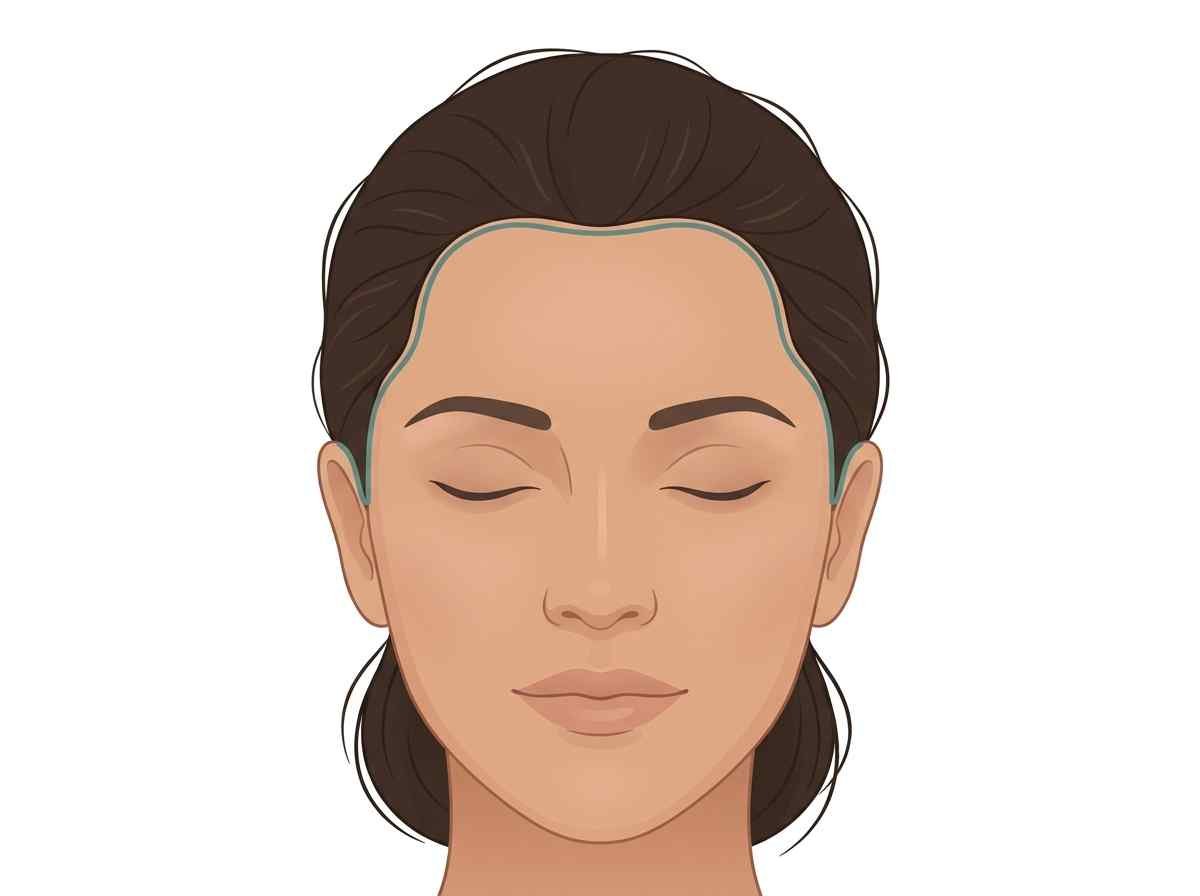
A hair transplant can help some women, but not all. The key is understanding why your hair is thinning, because that decides whether surgery will give a lasting result. This guide explains who makes a good candidate for a female hair transplant, how the procedure differs from men's surgery, what it costs and what results you can realistically expect. For how we assess candidates and plan treatment, see our hair transplant treatment in Bhubaneswar.
How Hair Loss in Women Is Different
Men usually lose hair in a predictable pattern, starting at the temples and crown. Women tend to keep their front hairline but notice thinning across the top of the head, often first seen as a widening parting. Doctors use the Ludwig scale to describe this pattern, rather than the Norwood scale used for men.
The causes are also more varied. Female pattern hair loss is common, but thinning can also come from hormonal changes after pregnancy or during menopause, thyroid problems, low iron, PCOS, crash dieting, stress or tight hairstyles. Some of these are temporary and improve with treatment. That is why a proper diagnosis always comes before any talk of surgery. Our page on hair loss solutions explains the main types of hair loss and how they are treated.
Who Is a Good Candidate for a Female Hair Transplant?
A hair transplant moves healthy follicles from a stable donor area, usually the back of the scalp, to the thinning area. It works best when that donor area is strong and the hair loss is limited to a defined region.
Women Who Usually Do Well
Women with traction alopecia, caused by years of tight braids, buns or ponytails, are often excellent candidates because the loss is localised and the donor area is healthy. Women who want to lower a naturally high hairline or reshape the temples also tend to see very good results. Hair loss caused by scars from surgery, burns or injury can often be treated too. Some women with female pattern hair loss can benefit as well, if the thinning is concentrated at the front or parting and the donor area remains dense.
When a Transplant May Not Be the Right Choice

Surgery is not the answer for every woman. If thinning is spread evenly across the whole scalp, including the back and sides, there may not be enough stable donor hair to move. This is known as diffuse unpatterned hair loss, and transplanting into it can give disappointing results.
Hair loss linked to an untreated medical cause, such as thyroid imbalance, iron deficiency or a recent illness, should be treated first. Very often the hair improves once the cause is addressed. Active shedding, sometimes seen a few months after childbirth or a major illness, also needs time to settle before any decision is made.
In these cases, non-surgical treatment usually comes first. PRP therapy, medically guided topical treatments and nutritional support can all help strengthen existing hair.
How the Procedure Is Adapted for Women
A female hair transplant follows the same basic steps as a man's, but a few details are handled differently.
Blood Tests and Scalp Assessment
Before surgery, most women are advised to check iron levels, thyroid function, vitamin D and, if needed, hormone levels. A close examination of the scalp under magnification helps confirm the type of hair loss and the health of the donor area.
Shaving and Discretion
Many women are worried about having their head shaved. In many cases, this is not needed. A small strip can be trimmed at the back and hidden under the surrounding hair, or a no-shave or long-hair FUE method can be used. Most women can return to work with their hair styled normally within a week or so.
Hairline Design
Women's hairlines are usually softer and rounder than men's, with gentle curves at the temples and fine, single hairs at the edge. The design should suit your face and look natural when your hair is tied back as well as when it is open.
Hair Transplant Cost for Women
The cost of a female hair transplant is based mainly on the number of grafts needed, the technique and whether a no-shave method is used. No-shave FUE takes longer and is more demanding, so it often costs a little more.
The table below gives typical graft ranges for common female cases. These are guide figures only. Your actual plan will depend on your diagnosis, donor area and goals.
| Concern | Typical Graft Range | Common Approach |
|---|---|---|
| Hairline lowering | 1,200 to 2,000 | FUE, soft rounded hairline |
| Temple reshaping | 500 to 1,000 | Single-hair grafts at the edges |
| Widening parting | 1,000 to 2,000 | FUE combined with PRP |
| Traction alopecia | 800 to 2,000 | Grafts into thinned edges |
| Scar repair | 200 to 800 | FUE into scar tissue |
For a detailed look at how per-graft pricing works, read our hair transplant cost breakdown. Ask for a written quote that includes blood tests, medicines and follow-up visits.
Results and Recovery

Recovery for women is similar to that for men. Mild swelling and scabbing settle within 7 to 10 days. Between weeks 2 and 6, the transplanted hair sheds, and some nearby hair may thin for a short time. New growth usually appears around month 3 or 4, becomes clearly visible by month 6 and looks close to final at 12 months.
Because female pattern hair loss can continue, most women are advised to keep using supportive treatment after surgery. This helps the surrounding hair stay healthy so the overall result stays balanced. You can see the kind of results we aim for on our hair transplant page.
Inquire About This Service
Ready to Take the Next Step?
Book a consultation with our hair restoration specialists. We will find out what is behind your hair loss, check whether you are a good candidate for a transplant and explain every option, surgical and non-surgical. Reach us at +91 97772 14816.
Book Free ConsultationFrequently Asked Questions
Can women get a hair transplant?
Yes. Women with a stable donor area and hair loss limited to a specific region, such as the hairline, temples or parting, can benefit. Women with thinning spread across the entire scalp are usually better suited to non-surgical treatment.
Do women have to shave their head for a hair transplant?
Not usually. A small hidden area at the back can be trimmed, or a no-shave FUE method can be used. Most women can style their hair to cover the donor area straight away.
Is a female hair transplant permanent?
The transplanted follicles come from a donor area that is generally stable, so the results are long lasting. However, the surrounding native hair may continue to thin, which is why ongoing care is often recommended.
What is the best age for a female hair transplant?
There is no fixed age. What matters more is that the cause of hair loss is diagnosed, the pattern is stable and the donor area is healthy. Women after pregnancy are usually advised to wait until postpartum shedding has settled.
Can PRP be combined with a hair transplant for women?
Yes. PRP is often used before and after surgery to strengthen existing hair and support healing. For many women, combining the two gives a fuller and more even result.