
Is Hair Transplant Painful? What You Feel Before, During and After
For many people, the fear of pain is the main reason they keep putting off a hair transplant. It is a fair worry. The procedure involves hundreds or thousands of tiny openings in the scalp, and it is natural to imagine that this must hurt.
Book Free Consultation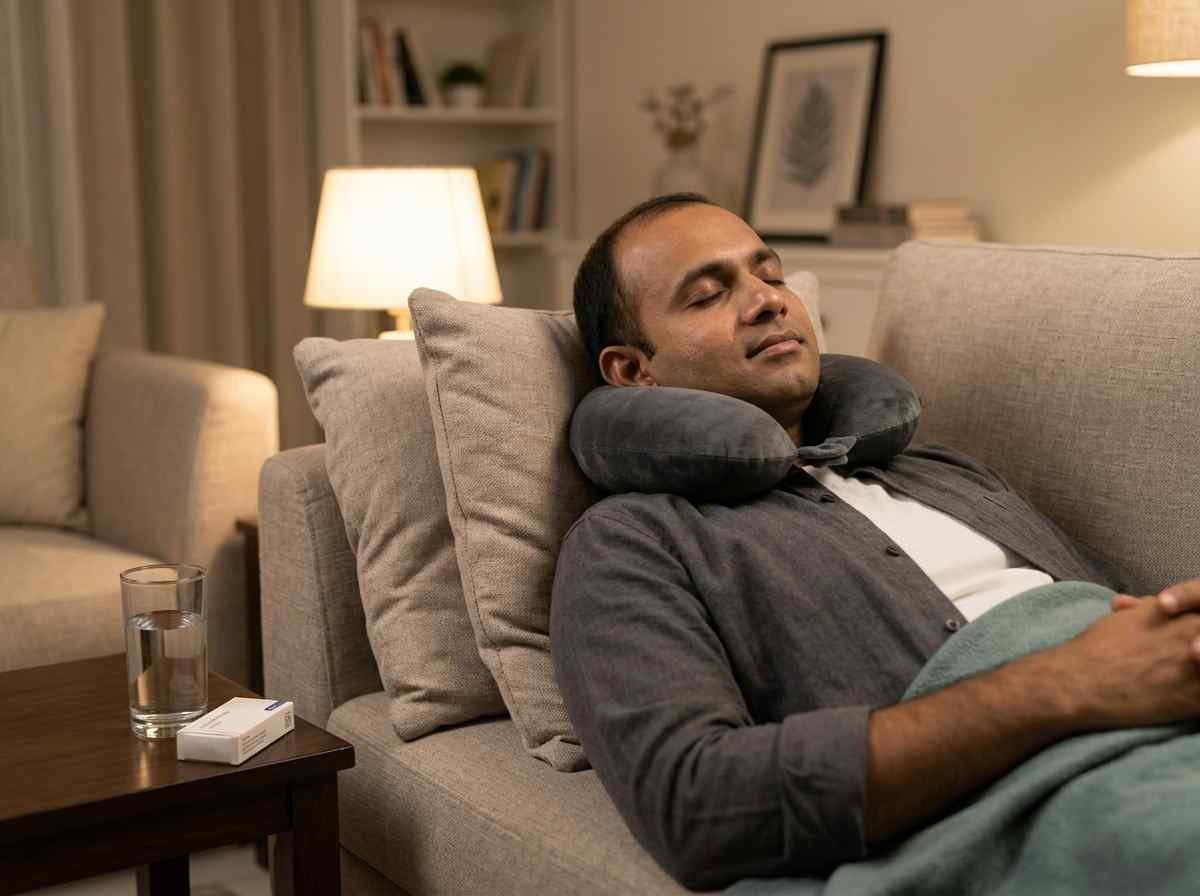
The reality is much milder than most people expect. With modern local anaesthesia, the majority of patients describe the experience as uncomfortable at a few moments rather than painful. This guide takes you through what you are likely to feel before, during and after a hair transplant, and what you can do to make each stage easier. For the full picture of techniques, cost and recovery, see our hair transplant service page.
Why Most Patients Feel Less Pain Than Expected
A hair transplant works only on the outer layers of the scalp. There are no deep cuts and no general anaesthesia. Once the scalp is numb, you can usually feel pressure and movement, but not sharp pain.
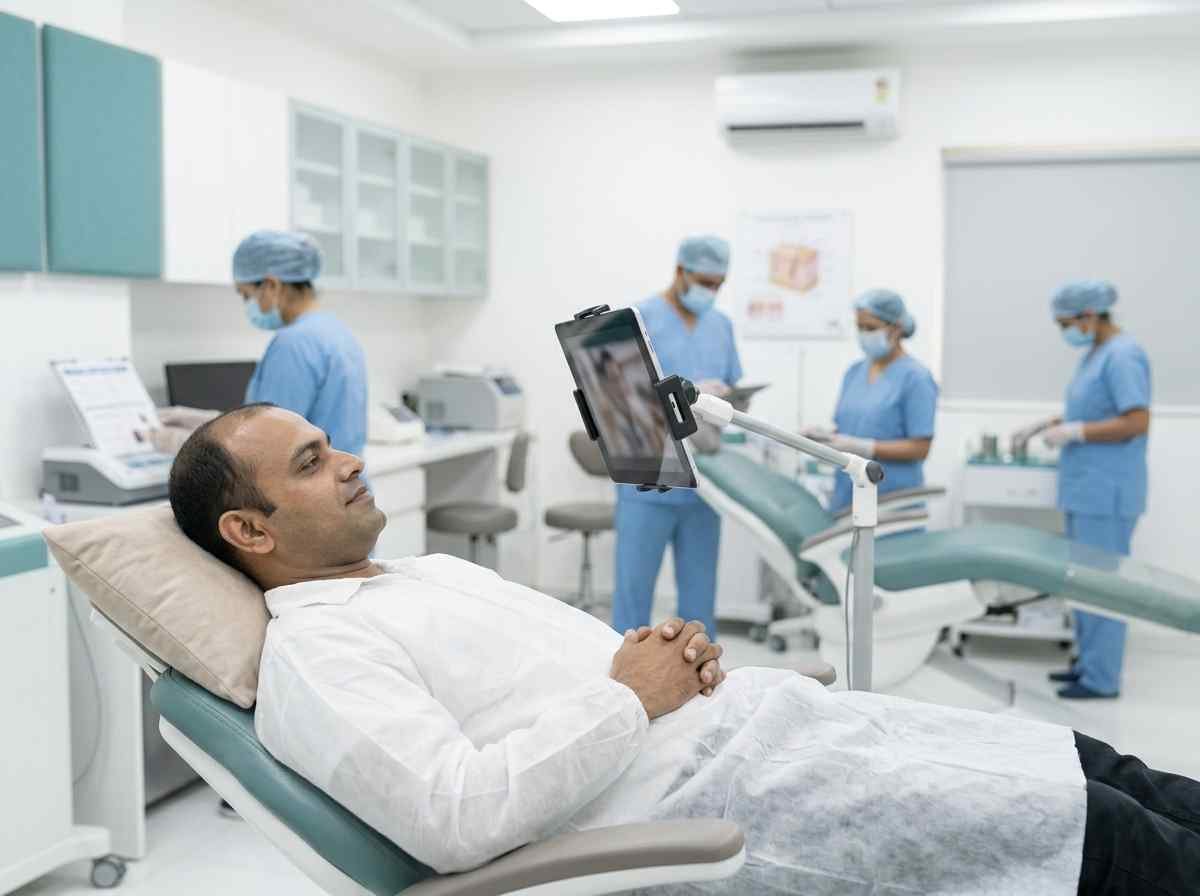
Most patients spend the day reading, watching something on a screen or chatting with the team. Many are surprised by how calm the experience feels once the first few minutes are over.
Before the Procedure: The Anaesthesia
The only part of a hair transplant that most people find genuinely uncomfortable is the local anaesthetic injection at the start. This is the moment worth preparing for.
What It Feels Like
The anaesthetic is given through a series of small injections around the donor and recipient areas. Each one feels like a quick pinch or sting, followed by a brief burning sensation as the medicine spreads. The whole process usually takes around 10 to 15 minutes, and the numbness sets in within a few minutes.
How Clinics Reduce the Sting
Good clinics take simple steps to make this easier. These may include a numbing cream applied beforehand, very fine needles, injecting slowly, using vibration near the injection point to distract the nerves, and starting at the less sensitive areas first. Some patients are also given a mild relaxant if they feel anxious.
During the Procedure

Once the anaesthetic has taken effect, the main work begins. Depending on the number of grafts, this can take anywhere from four to eight hours, with breaks in between.
Extraction
During extraction, follicles are removed from the back of the head. With FUE, this is done one by one using a tiny punch. You may feel slight pressure or hear a soft sound from the instrument, but you should not feel pain. If any area starts to feel sensitive, tell the team and they will top up the anaesthetic.
Implantation
During implantation, grafts are placed into tiny openings in the thinning area. Again, the main sensation is light pressure. Lying in one position for a long time can make your neck or back stiff, so most clinics allow short breaks for stretching, a meal and the washroom.
The First Few Nights After Surgery
As the anaesthetic wears off, usually a few hours after the procedure, you may start to feel some soreness. This is the part of recovery people tend to ask about most.
Day 1 to Day 3
Most patients describe a dull ache or tightness, mainly in the donor area. It is usually well controlled with the painkillers your doctor prescribes. Sleeping can feel a little awkward because you need to keep your head raised and avoid pressing on the grafts. A travel pillow and one or two extra pillows behind your back help a lot.
Swelling and Tenderness
Some swelling on the forehead is common on days 2 to 4. It is not usually painful, but it can feel tight. By the end of the first week, most of the discomfort has gone. For a full view of what happens day by day, read our hair transplant recovery timeline.
Pain Levels at a Glance
Everyone feels pain differently, but the table below gives a general picture of what most patients report at each stage.
| Stage | What You May Feel | Typical Comfort Level |
|---|---|---|
| Anaesthetic injections | Short pinches and brief stinging | Mild to moderate, for a few minutes |
| Extraction | Pressure, light tugging | Little to none |
| Implantation | Light pressure, stiffness from lying still | Little to none |
| Evening of surgery | Dull ache as numbness wears off | Mild, eased by painkillers |
| Days 2 to 4 | Tightness, swelling, tenderness | Mild |
| Days 5 to 10 | Itching as scabs heal | Mild irritation rather than pain |
| Weeks 2 and after | Occasional numbness or tingling | Usually no pain |
Does FUE Hurt Less Than FUT?
In general, FUE causes less discomfort after surgery than FUT. With FUT, a strip of skin is removed and the donor area is stitched, which can feel tight for a week or two. With FUE, the tiny extraction points heal quickly and usually cause only mild soreness. During the procedure itself, both are well controlled with anaesthesia. Our guide on FUE vs FUT compares the two in more detail.
Tips to Stay Comfortable
A few simple steps make the day and the recovery noticeably easier.
At Hair Reborn, comfort is part of every hair transplant plan, from how we give anaesthesia to the breaks we build into the day.
Inquire About This Service
Ready to Take the Next Step?
Book a consultation with our hair restoration specialists. Ask us anything about pain, anaesthesia or recovery, and we will walk you through exactly how your procedure day will feel. Reach us at +91 97772 14816.
Book Free ConsultationFrequently Asked Questions
Is a hair transplant painful or not?
For most people, it is not very painful. The local anaesthetic injections at the start cause a few minutes of stinging. After that, the scalp is numb and you mainly feel pressure. Mild soreness for two to three days afterwards is common and manageable.
Will I be awake during a hair transplant?
Yes. A hair transplant is done under local anaesthesia, so you are awake throughout. Most patients relax, listen to music or watch something during the procedure.
How long does pain last after a hair transplant?
Most discomfort settles within two to three days. Some tightness or tenderness in the donor area can last up to a week, especially after FUT. By the second week, most people feel no pain at all.
What painkillers can I take after a hair transplant?
Take only the medicines your doctor prescribes. Some common painkillers, such as aspirin, can thin the blood and increase bleeding, so always check before taking anything new.
Is a hair transplant more painful for people with a low pain threshold?
Patients who are sensitive to pain can still manage the procedure comfortably. Tell your team in advance. They can use numbing cream, slower injections and extra anaesthetic top-ups to keep you at ease.
Pingback: Beard Transplant in Bhubaneswar: Cost & Results | Hair Reborn
Pingback: Hair Transplant Side Effects: What Is Normal | Hair Reborn